“Doctor, I thought I was burned out, but you say it is autonomic dysfunction?”
We hear this often in the consultation room, particularly from people in their twenties and thirties who are working or preparing for employment.
At first glance, burnout and autonomic dysfunction can look similar. Both can involve extreme fatigue and a lack of energy. Patients say, “Getting up in the morning is so hard,” or “I do not feel like doing anything.” A closer conversation, however, can reveal differences.
Burnout is a state of mental exhaustion. Excessive work or stress leaves psychological energy depleted; emotional fatigue is central.
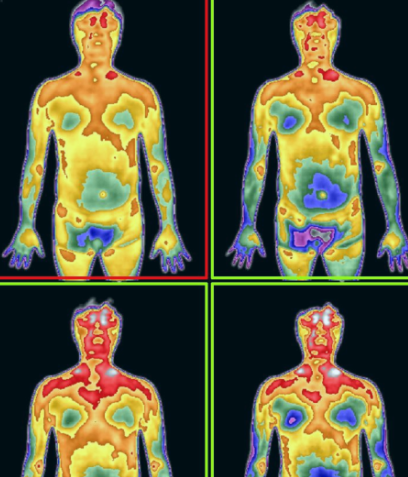
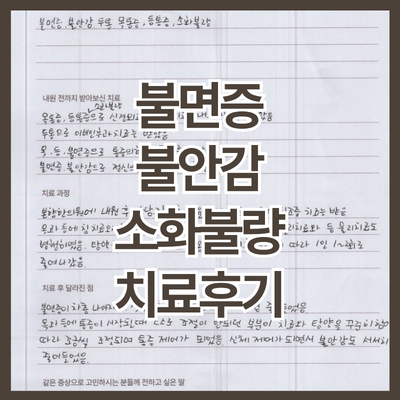
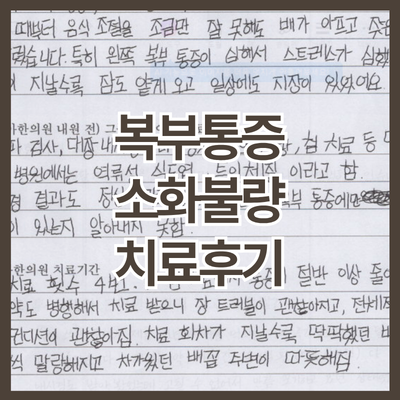
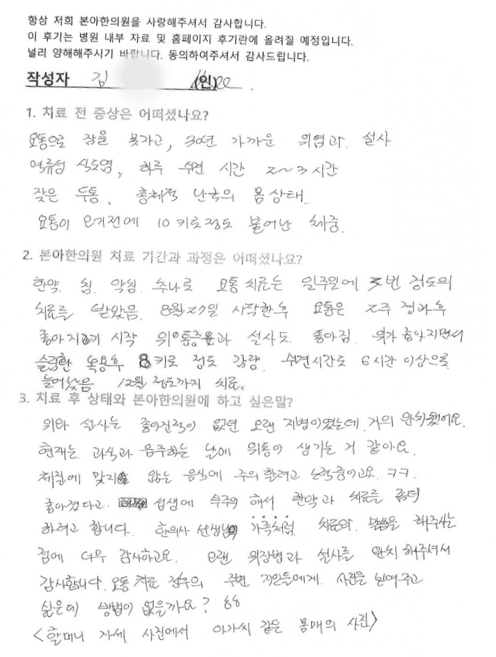
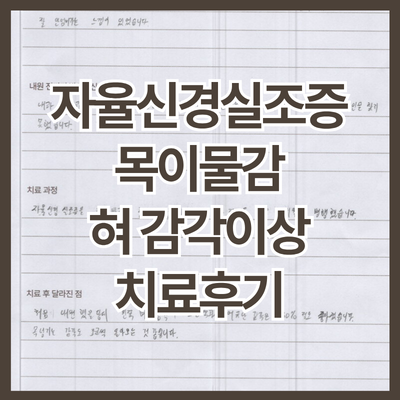
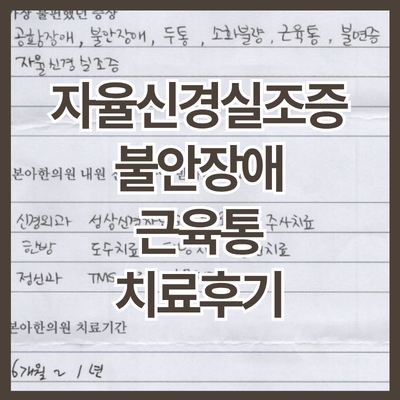
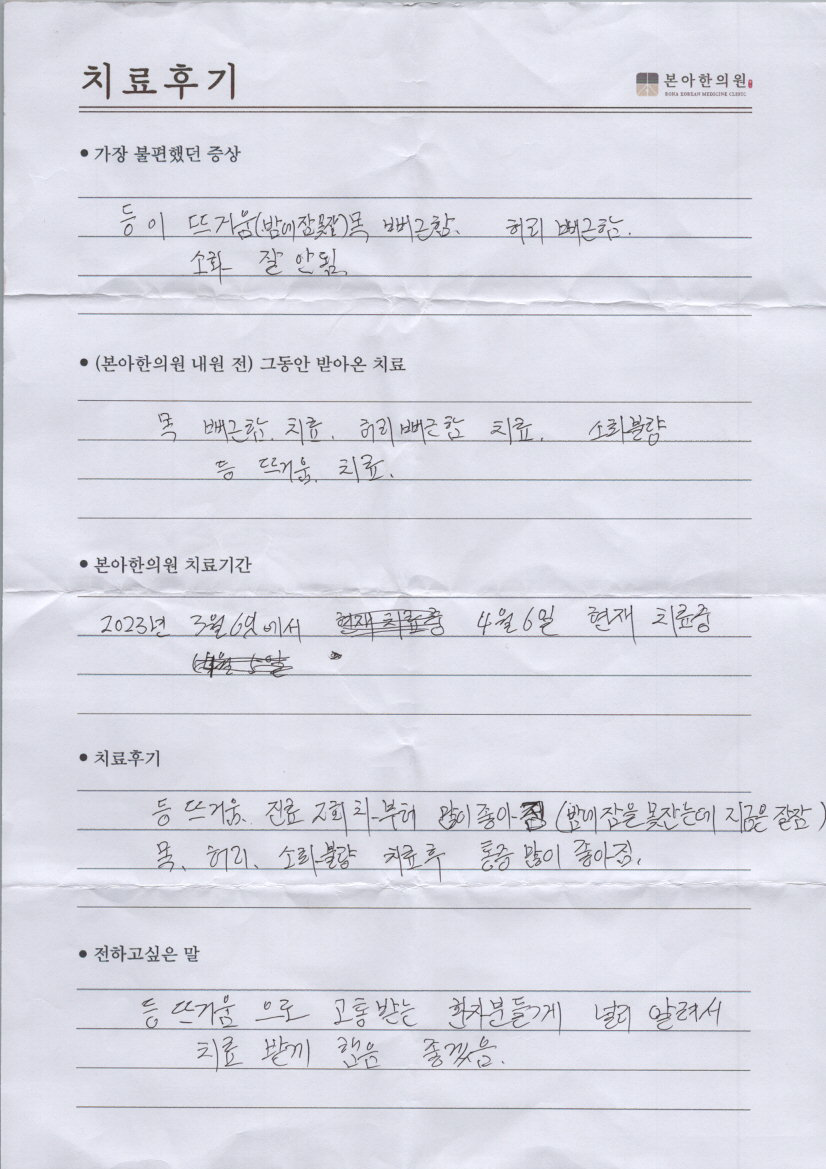
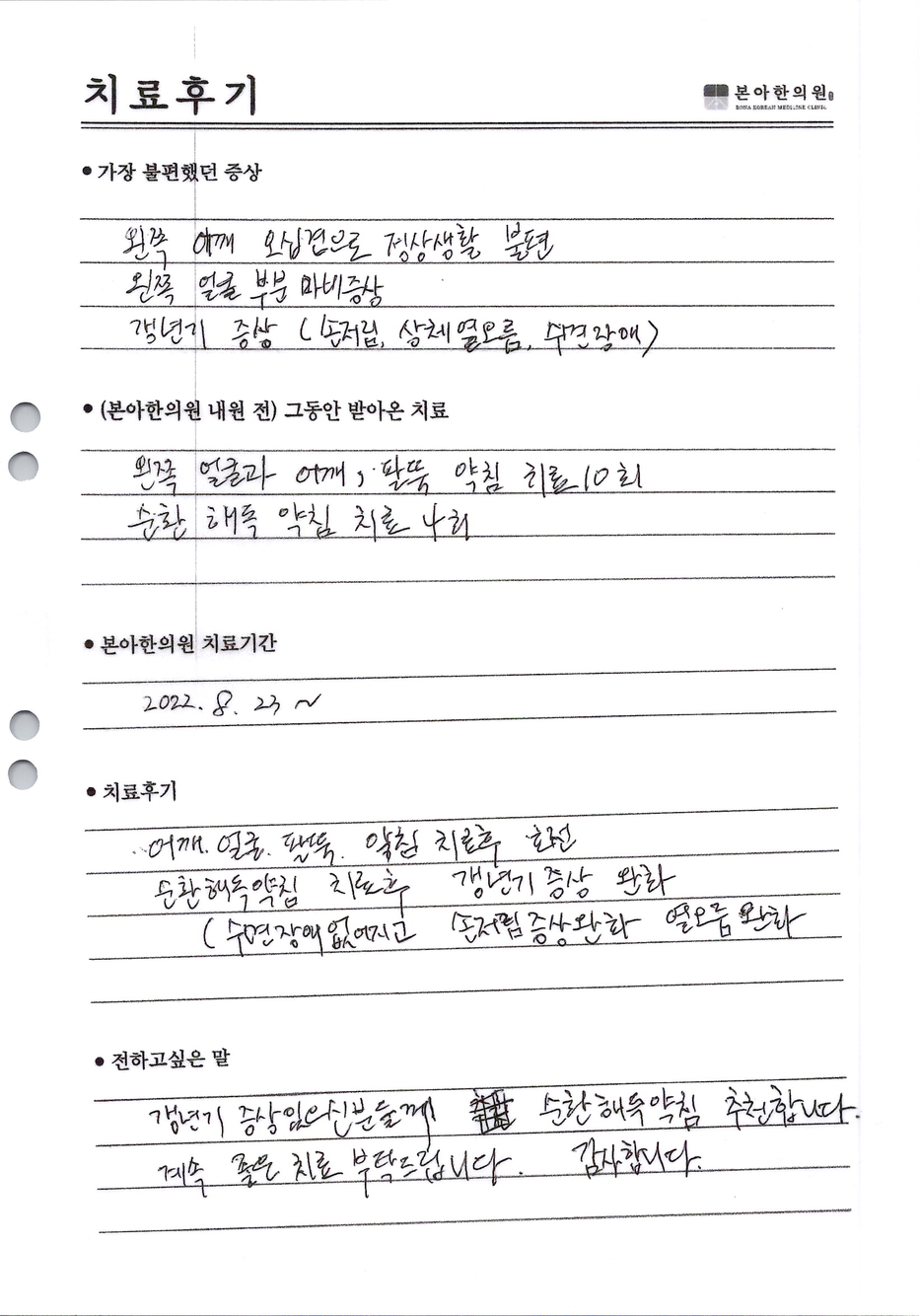
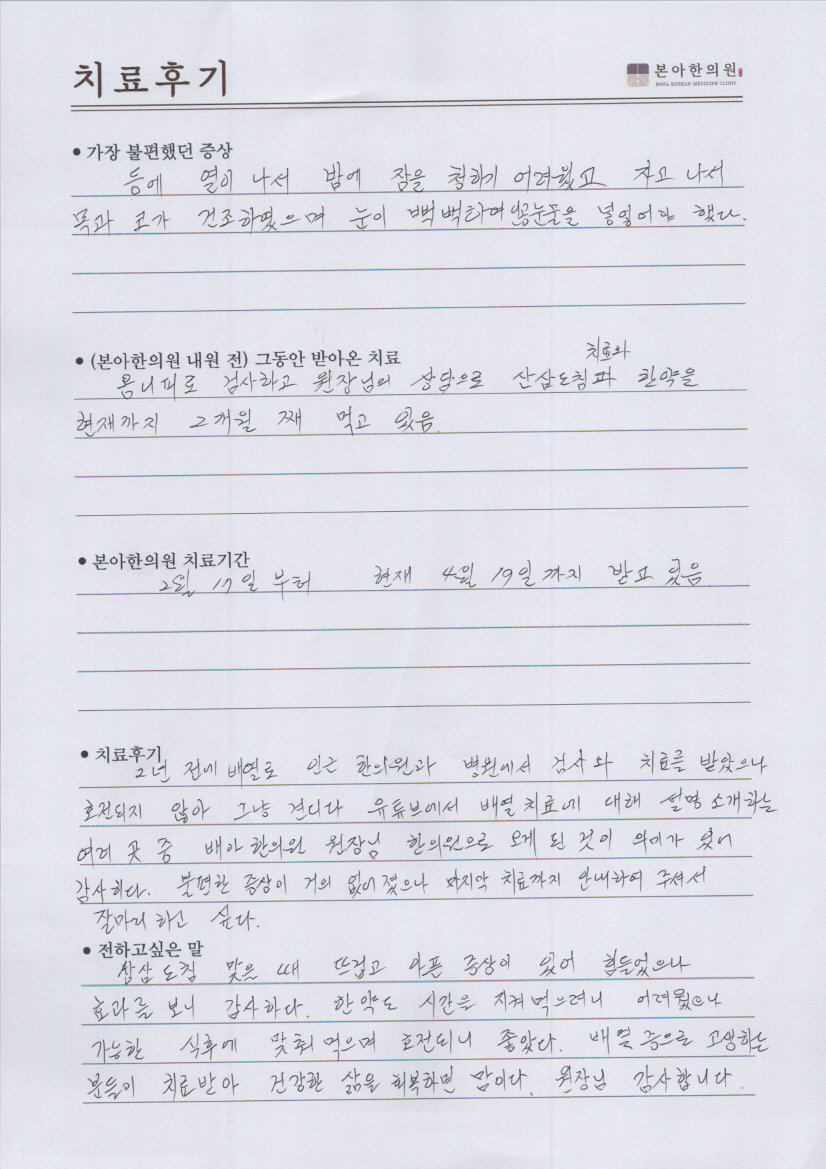
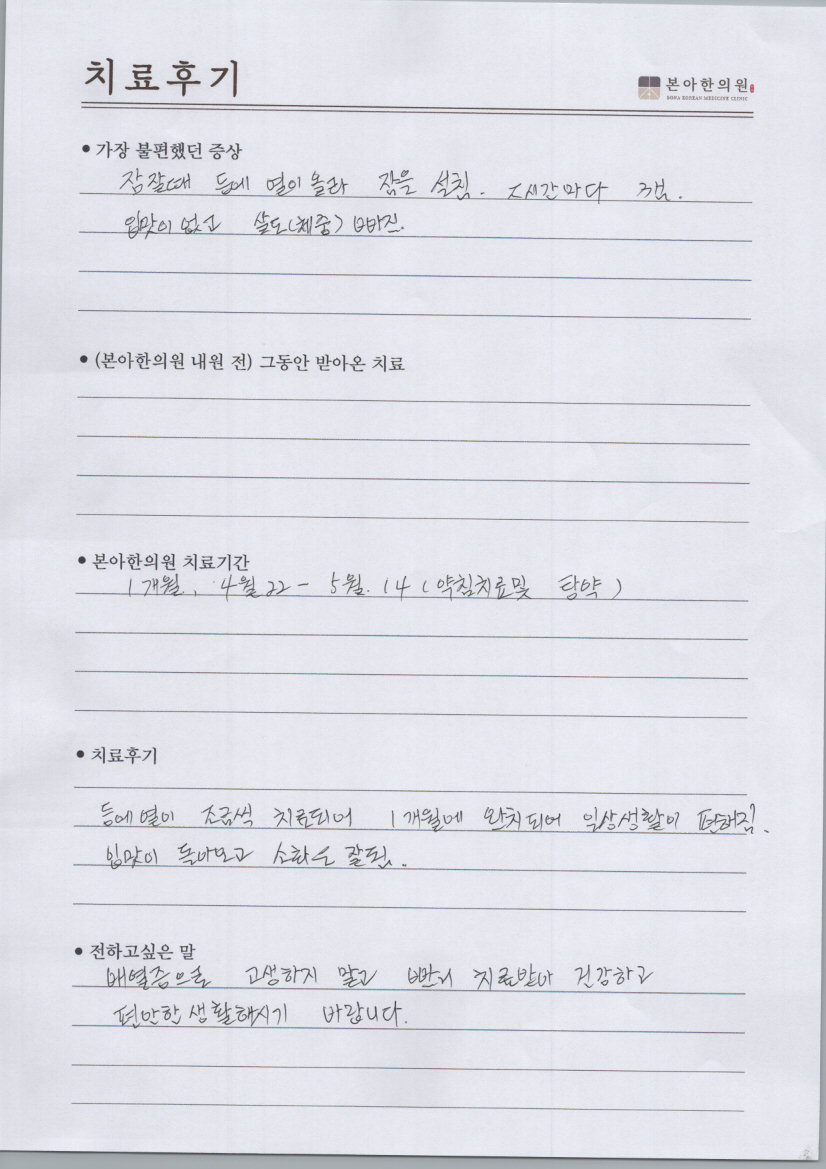
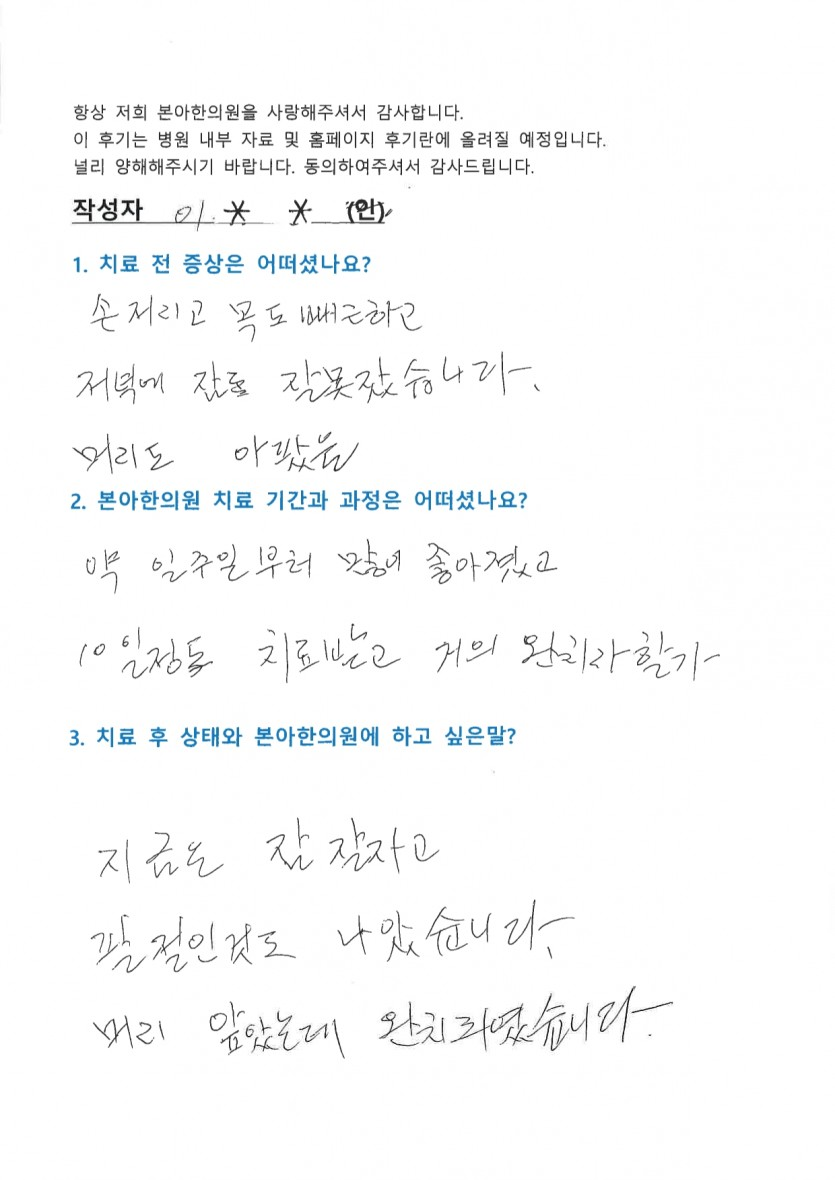
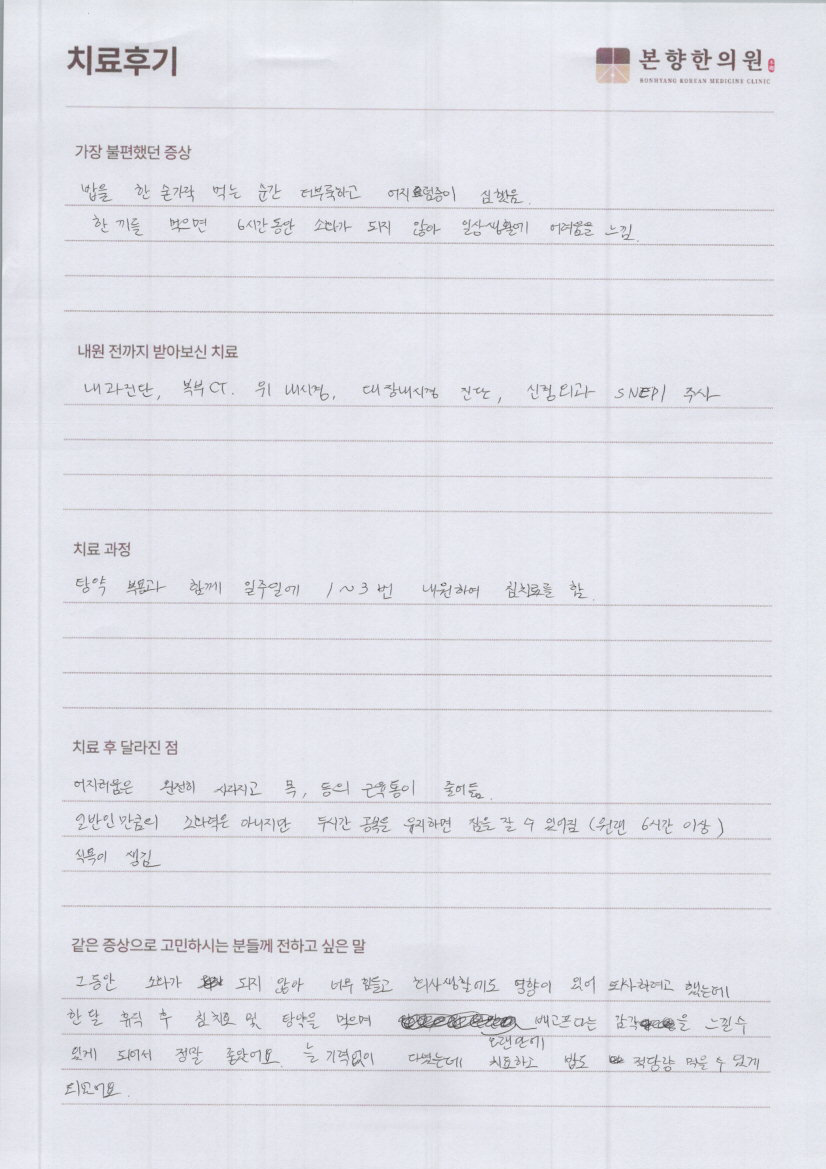
People with autonomic dysfunction often describe more prominent physical symptoms: “My heart keeps racing,” “My hands and feet are cold and numb,” “I cannot digest properly and feel bloated,” or “I cannot sleep at night.”
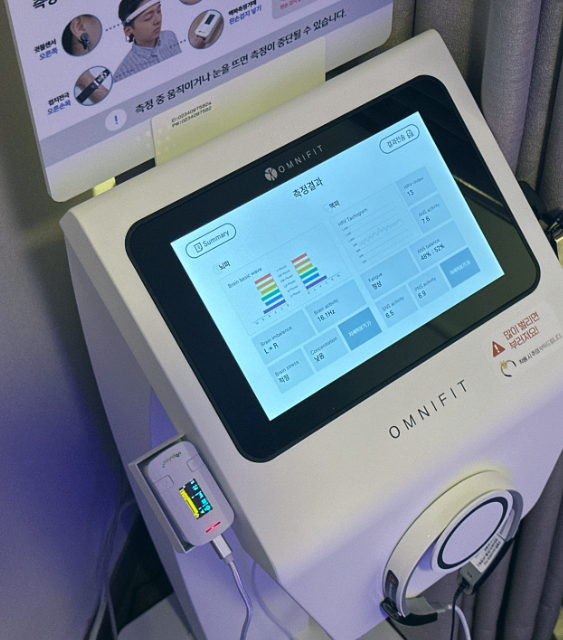
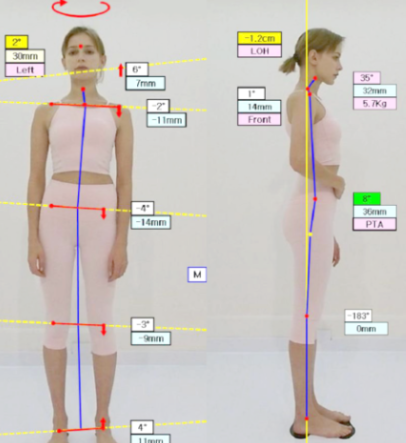
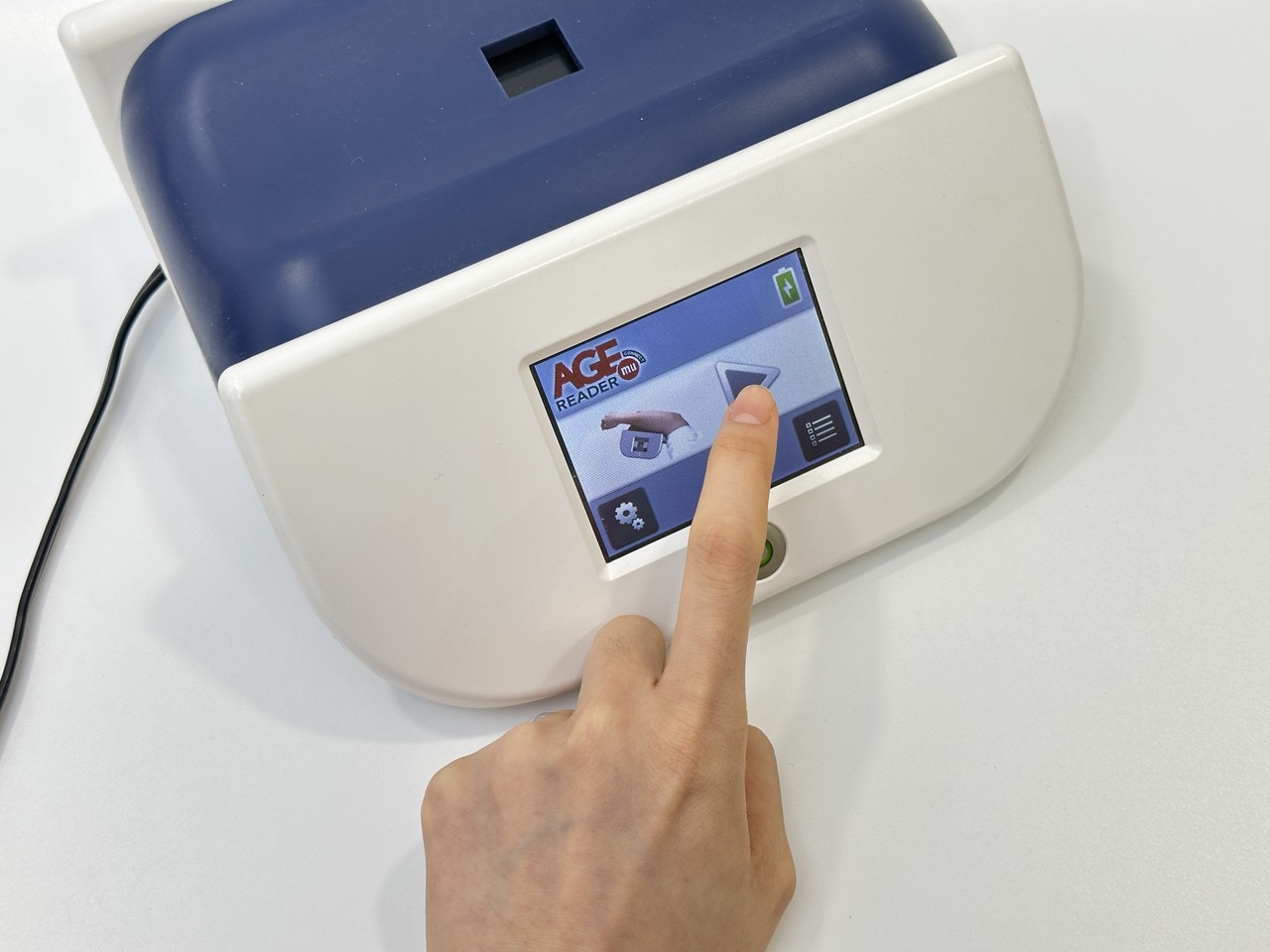
The clinic explains this as an imbalance between the sympathetic and parasympathetic branches of the autonomic nervous system. In younger patients, we often see a pattern in which stress is accompanied by excessive sympathetic activation and difficulties in whole-body regulation.
Excessive sympathetic activity can accelerate the heartbeat, constrict blood vessels and make the hands and feet feel cold. Digestion is inhibited, while sustained alertness can interfere with sleep. It is as though the body remains ready for a fight.
Some people assume this is burnout and wait for rest alone to resolve it. Autonomic symptoms deserve appropriate assessment and treatment. Lifestyle changes and individualized care are part of the clinic’s approach to recovery.